Europeans, in their euro-centric way, once referred to Africa as the Dark Continent. To outsiders, particularly westerners, Africa seemed enigmatic and mysterious. Although many different peoples of Africa had been trading with middle eastern and European countries for centuries, not many people from outside the continent had written about the people and cultures there, especially the interior of the continent. And when they did write, it was often through the critical lenses of white Christian European colonialism.
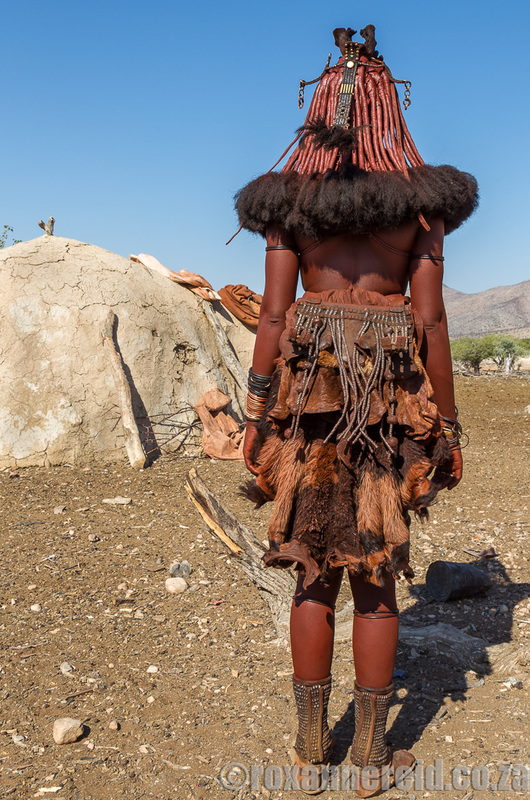
Africa is as diverse as it is vast in sheer land area. But when Europeans began to really travel and explore the continent in significant numbers, they imposed their own cultures and religions on the people they encountered. While Africa may have seemed dark to outsiders, it was already rich and vibrant to those who had lived there for millennia. The missionaries brought Christianity and western clothes, but the people they encountered often melded the old and new, vacillating between worlds in an odd juxtaposition.
When Africans were brought to America, either through the atrocity of slavery, or (later) by choice, they were still faced with the challenge of maintaining their cultural identity. Often, it was either stripped from them by force, or less overtly, implied that they must abandon the culture of their homeland to adapt to life in the west. And yet, no matter how much or how little they embraced the ways of their new country, they were (and tragically, often still are) excluded arbitrarily due to the color of their skin.
By way of disclaimer, I am a white male of northern European descent. I struggle to understand that which I can’t ever really understand. When I try to ask people of color about their experiences with regards to race and culture, they are often reluctant to discuss these topics. I imagine it’s like trying to describe the color red to a blind man. I haven’t experienced what they have experienced or felt what they have felt. I catch a glimmer of understanding through the writings of amazing people such as James Baldwin, and I’m incredibly grateful for their eloquence and candor. Regardless, I feel that I must try to understand.
What are some of the ongoing examples of duality of culture in American society? How do people struggle today, and in what ways does it differ from the experiences of African Americans in Detroit in the early 1940’s, or the Africans encountering Christian missionaries for the first time?
BlackFacts.com. “Why Was Africa Called the Dark Continent?” Blackfacts.com, 13 July 2019, blackfacts.com/fact/why-was-africa-called-the-dark-continent.
Grosjean, François. “Who Am I?” Psychology Today, Sussex Publishers, 30 June 2011, http://www.psychologytoday.com/intl/blog/life-bilingual/201106/who-am-i.
 Mokeymark 101